Best Time to Visit Meghalaya: A Month-by-Month Guide
Updated · Nomadic Travel team
Clear skies or roaring waterfalls? Here is how Meghalaya changes through the year, and when to go for Dawki, root bridge treks and festivals.
The best time to visit Meghalaya depends on what you want to see. For clear views, comfortable treks and the famous glass-clear water at Dawki, go between October and April. For thundering waterfalls and dramatic clouds, the monsoon from June to September is spectacular — if you don't mind rain every day. Below we break the year down month by month, with tips for each of Meghalaya's highlights.
Meghalaya weather at a glance
Meghalaya sits on a plateau between roughly 150 m and 1,950 m, so temperatures are mild. Shillong rarely gets hot (summer highs in the mid-20s °C) and winter nights can fall close to freezing. The defining feature is rain: monsoon winds from the Bay of Bengal hit the southern escarpment around Sohra (Cherrapunji) and drop enormous amounts of water, which is why the state is called the 'abode of clouds'.
October and November: the sweet spot
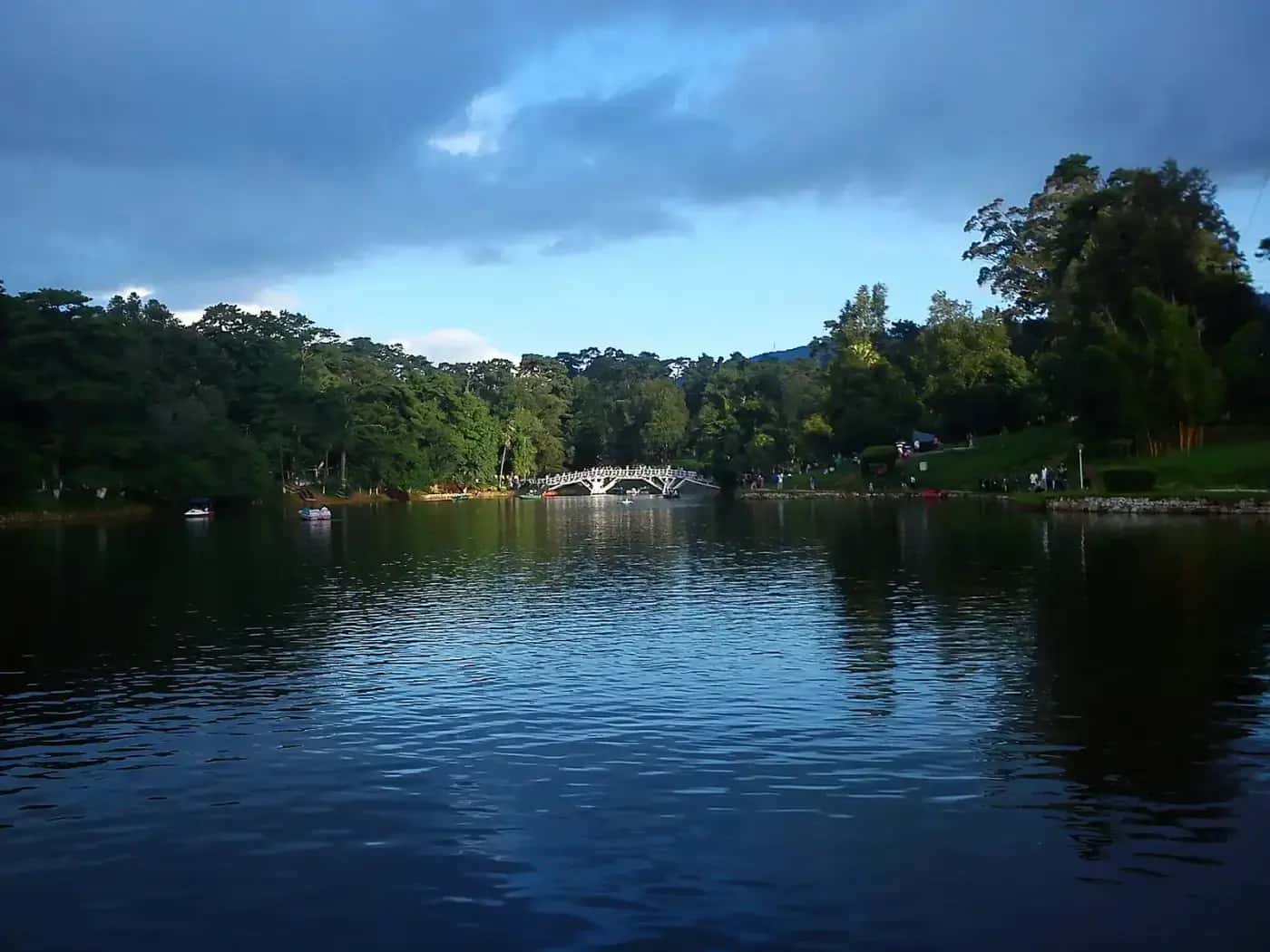
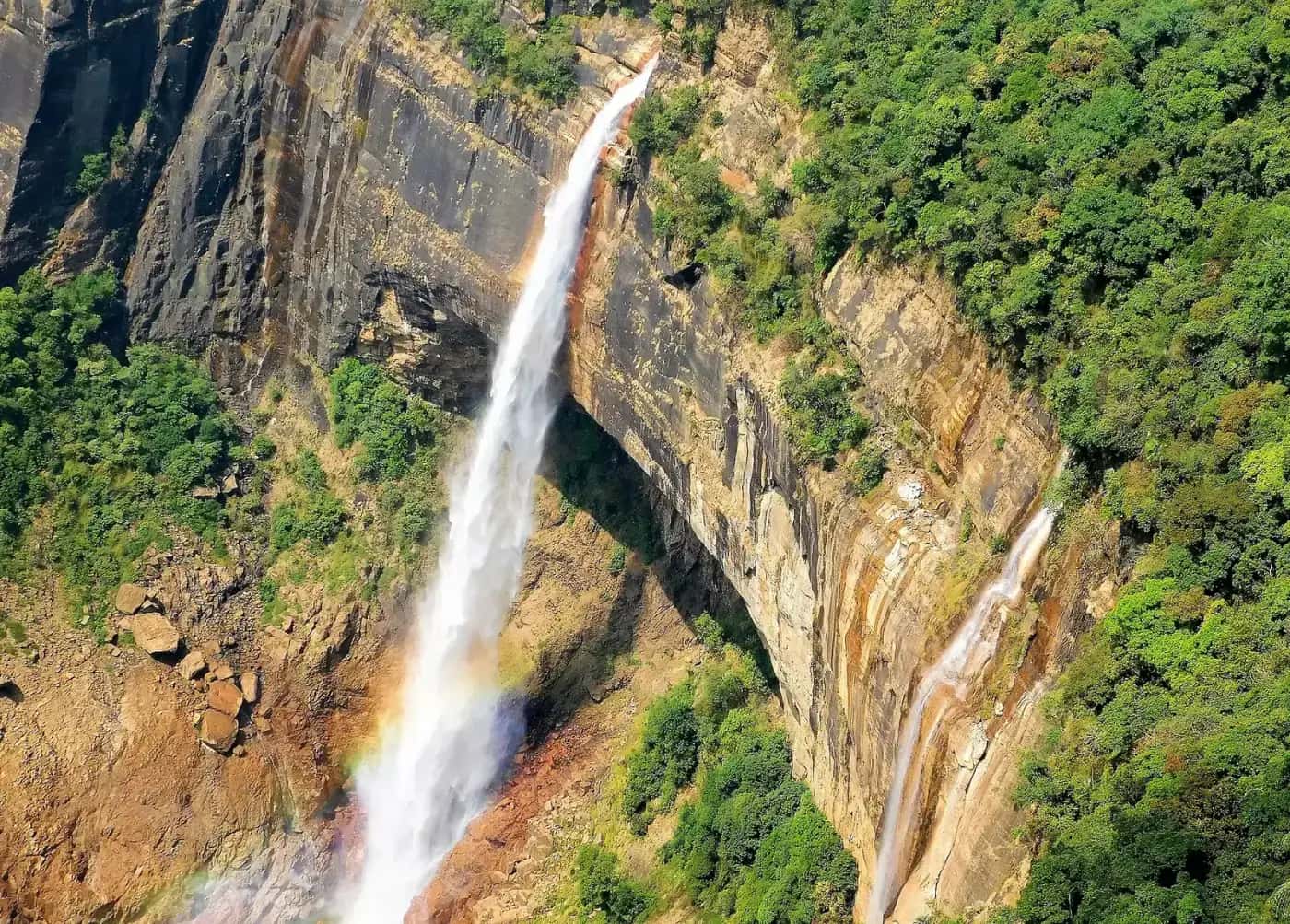
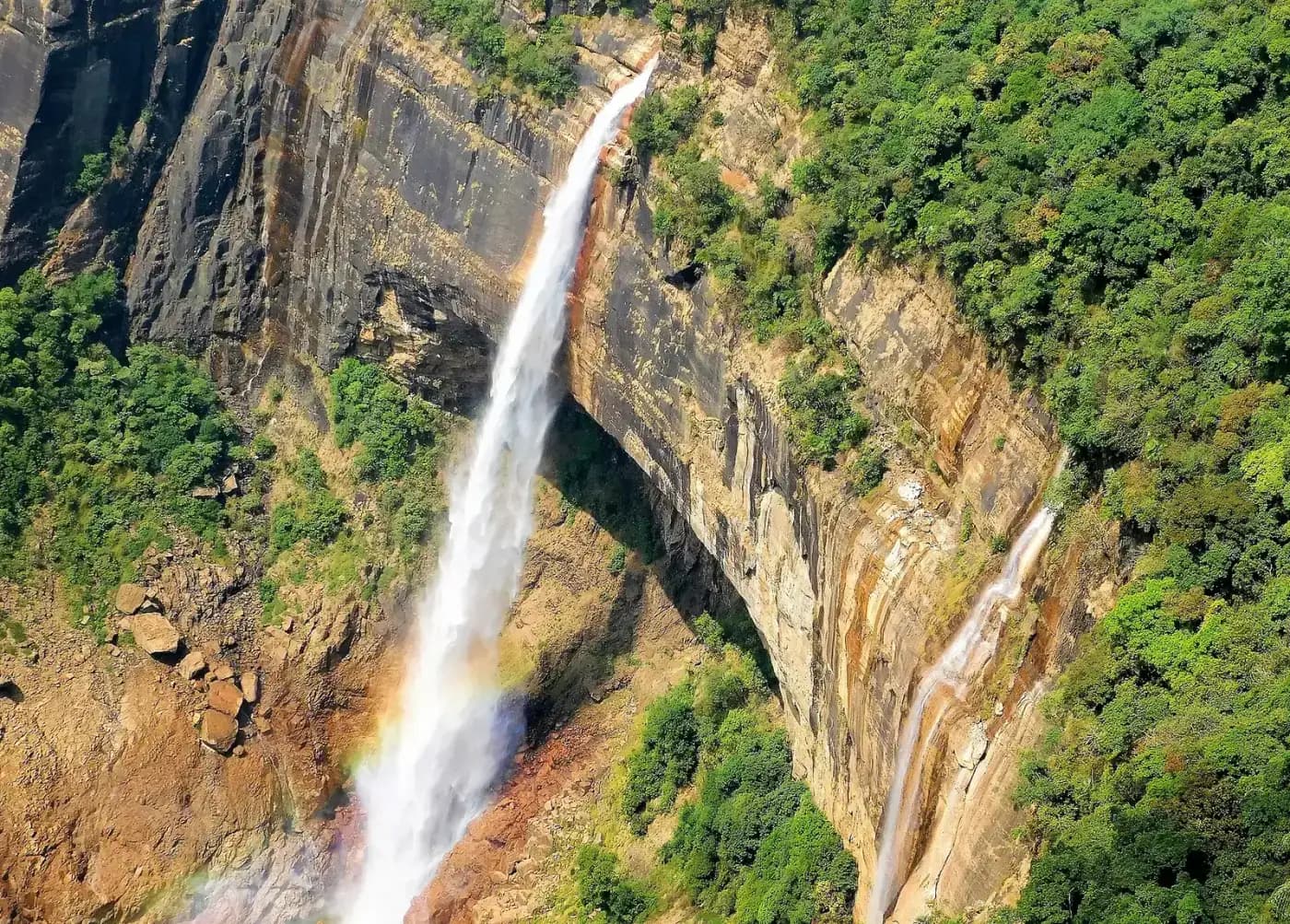
Autumn is our favourite time. The monsoon has just ended, the hills are vividly green, waterfalls like Nohkalikai and Seven Sisters still carry plenty of water, and skies clear more often. In November, Himalayan cherry trees bloom pink across Shillong and the Shillong Cherry Blossom Festival usually takes place in mid-month.
December to February: clearest water, coldest nights
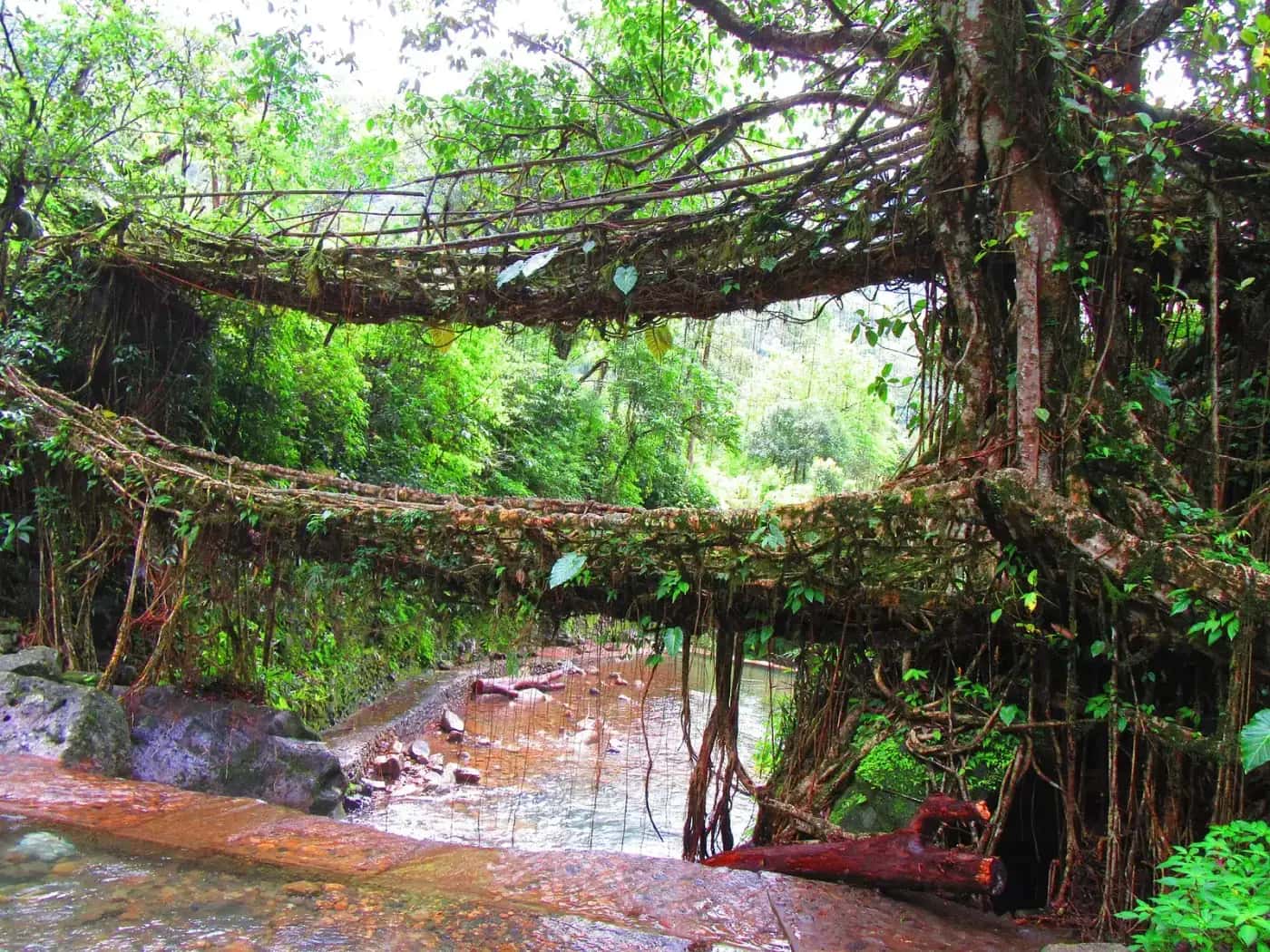
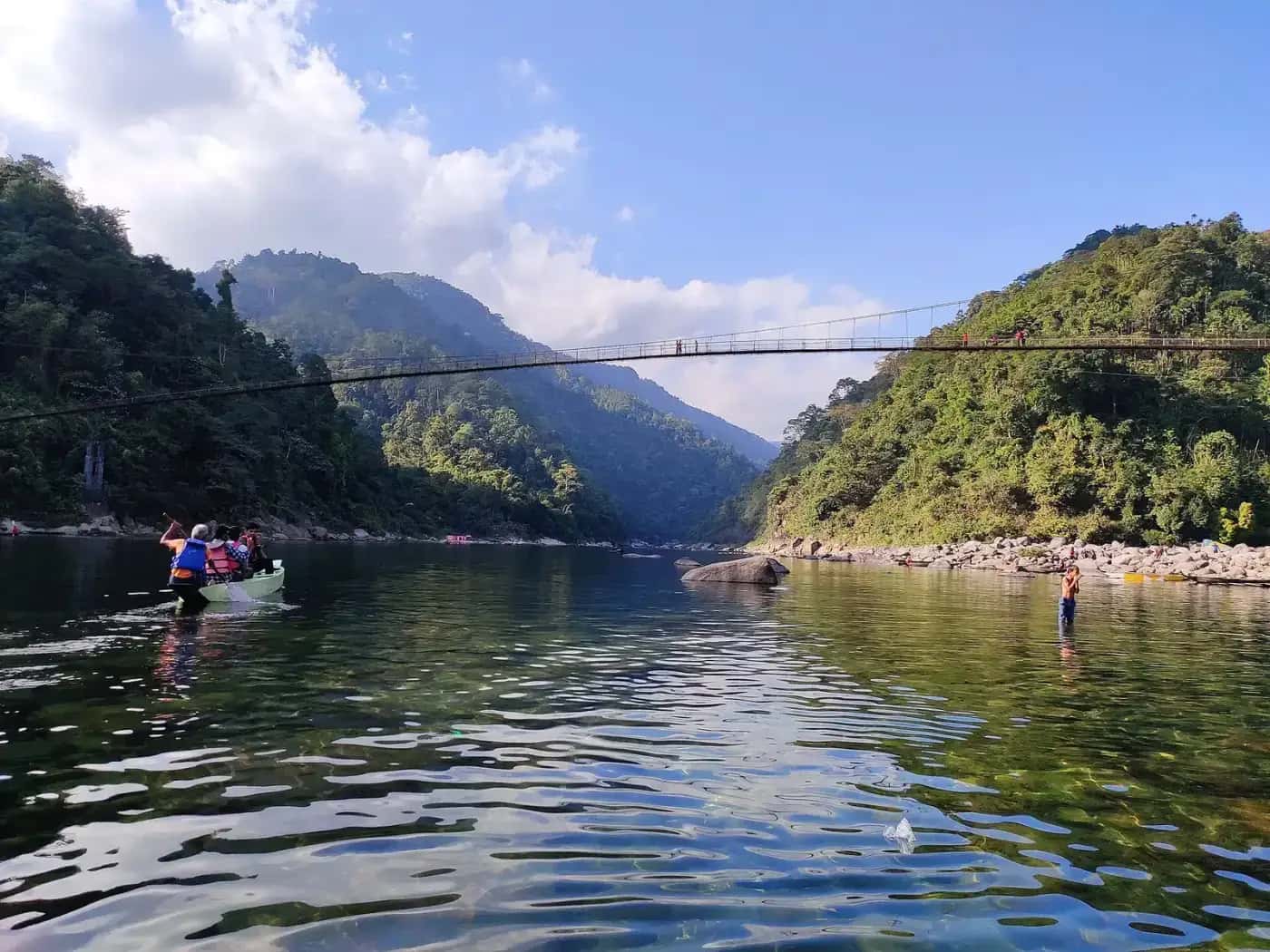
Winter brings the driest weather and the clearest views. This is the best season for boating on the Umngot river at Dawki and camping at Shnongpdeng, when the river is at its most transparent. The trek to the double-decker living root bridge is comfortable on dry steps. The trade-off: waterfalls are thinner, and Shillong nights drop to 2–5°C, so pack warm layers.
March to May: spring and pre-monsoon
Spring is pleasant and quieter. Days are warm, rhododendrons and orchids bloom, and it's a good time for caving and treks such as the David Scott Trail. From late April, pre-monsoon storms arrive in the afternoons, and Dawki's water slowly loses its clarity by May.
June to September: the monsoon
The monsoon is Meghalaya at its most dramatic. Waterfalls appear on every cliff, clouds pour through the valleys and the landscape is impossibly green. But expect rain most days, fog that hides viewpoints, slippery trails and occasional road disruptions. Dawki's water turns muddy and boating may stop. If you travel now, choose a flexible itinerary and stay longer in Sohra.
Best time for each experience
- Dawki & Shnongpdeng clear water: November to April
- Waterfalls at full power: July to October
- Root bridge trek: October to April (dry steps)
- Laitlum sunrise: October to February
- Cherry blossoms: late October to November
- Fewest crowds: March and early April, or weekdays in winter
How many days do you need?
Four to five days covers Shillong, Sohra, the root bridge and Dawki comfortably — see our Meghalaya tour package from Guwahati. For a shorter break, our Shillong Cherrapunji tour needs just three nights, and to combine Meghalaya with rhinos, try the Assam & Meghalaya combo.