
Culture · Arunachal Pradesh
Apatani Village Walk, Ziro
Walk through Hong, Hija and Bulla villages with an Apatani guide to learn about rice-fish farming and traditions.
At a glance
- Difficulty
- Easy
- Duration
- 3–4 hours
- Best season
- March – November; Myoko (March) and Dree (July) festivals
- Base
- Hapoli (Ziro) (Lower Subansiri)
- Permits
- Arunachal ILP (Indians) or PAP (foreigners) required. Verify before travel.
About this experience
The Apatani are one of Arunachal Pradesh's best-known tribes, and a guided village walk in Ziro is the most rewarding way to meet them. Villages such as Hong — one of the largest — Hija, Hari and Bulla are dense clusters of bamboo-and-timber houses raised on stilts, with tall bamboo poles (babo) erected during festivals and stone or wooden platforms (lapang) where clans gather.
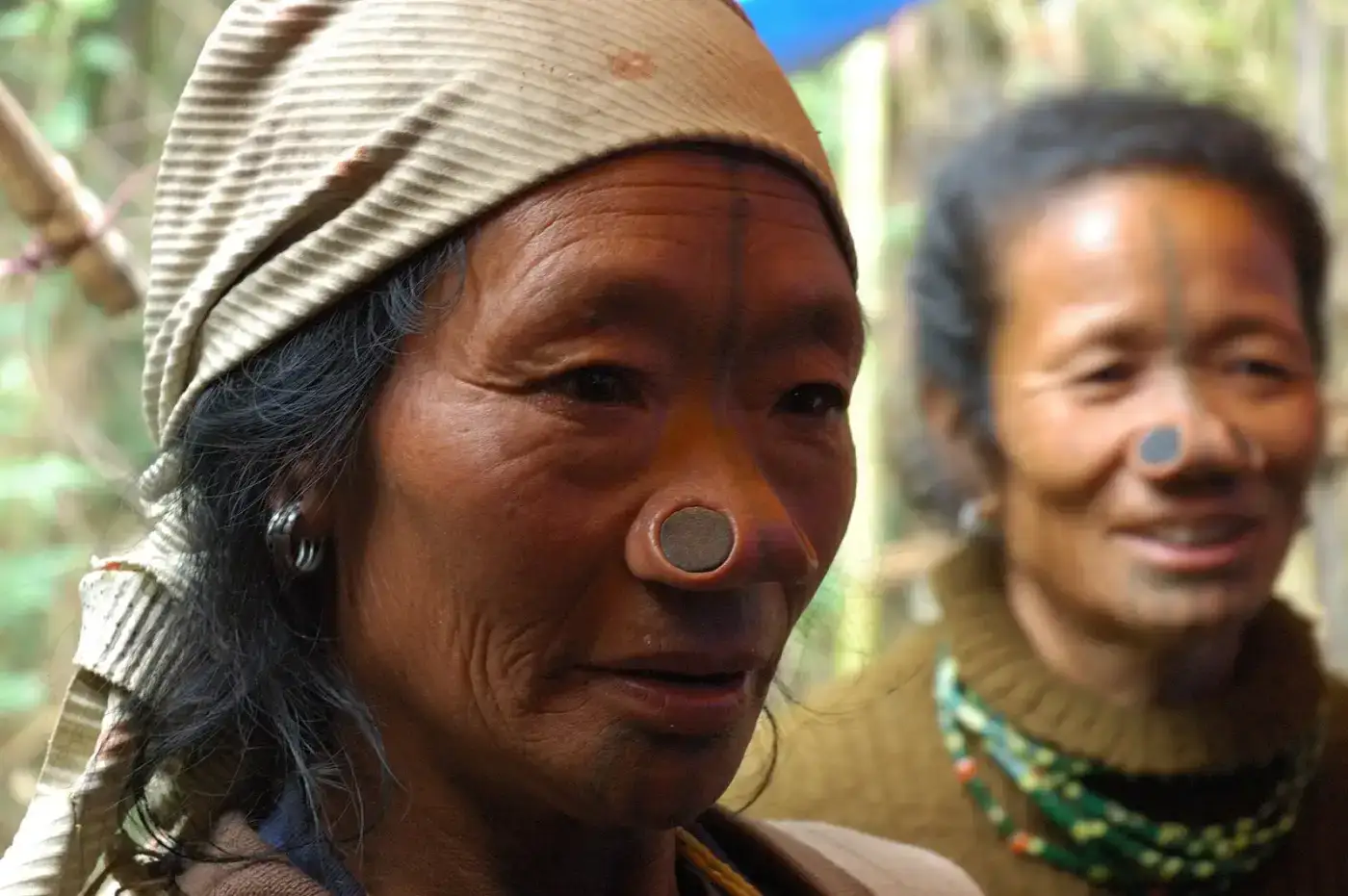
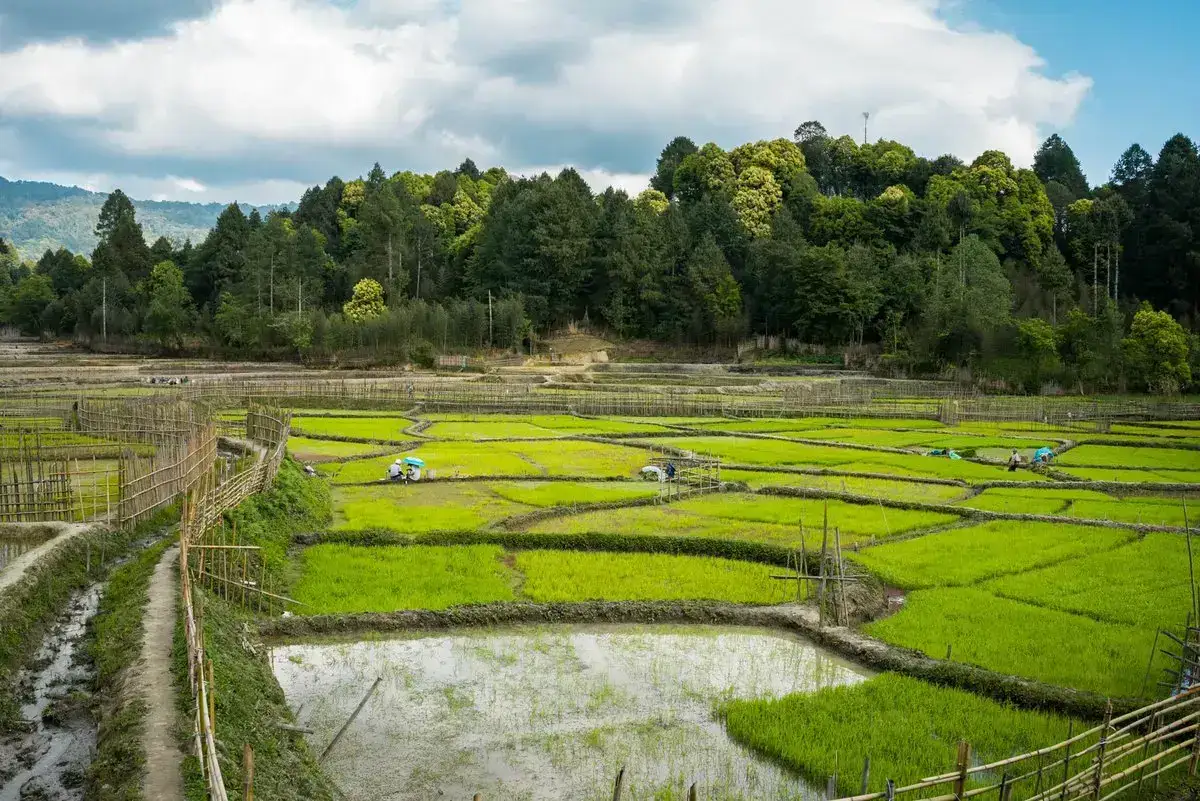
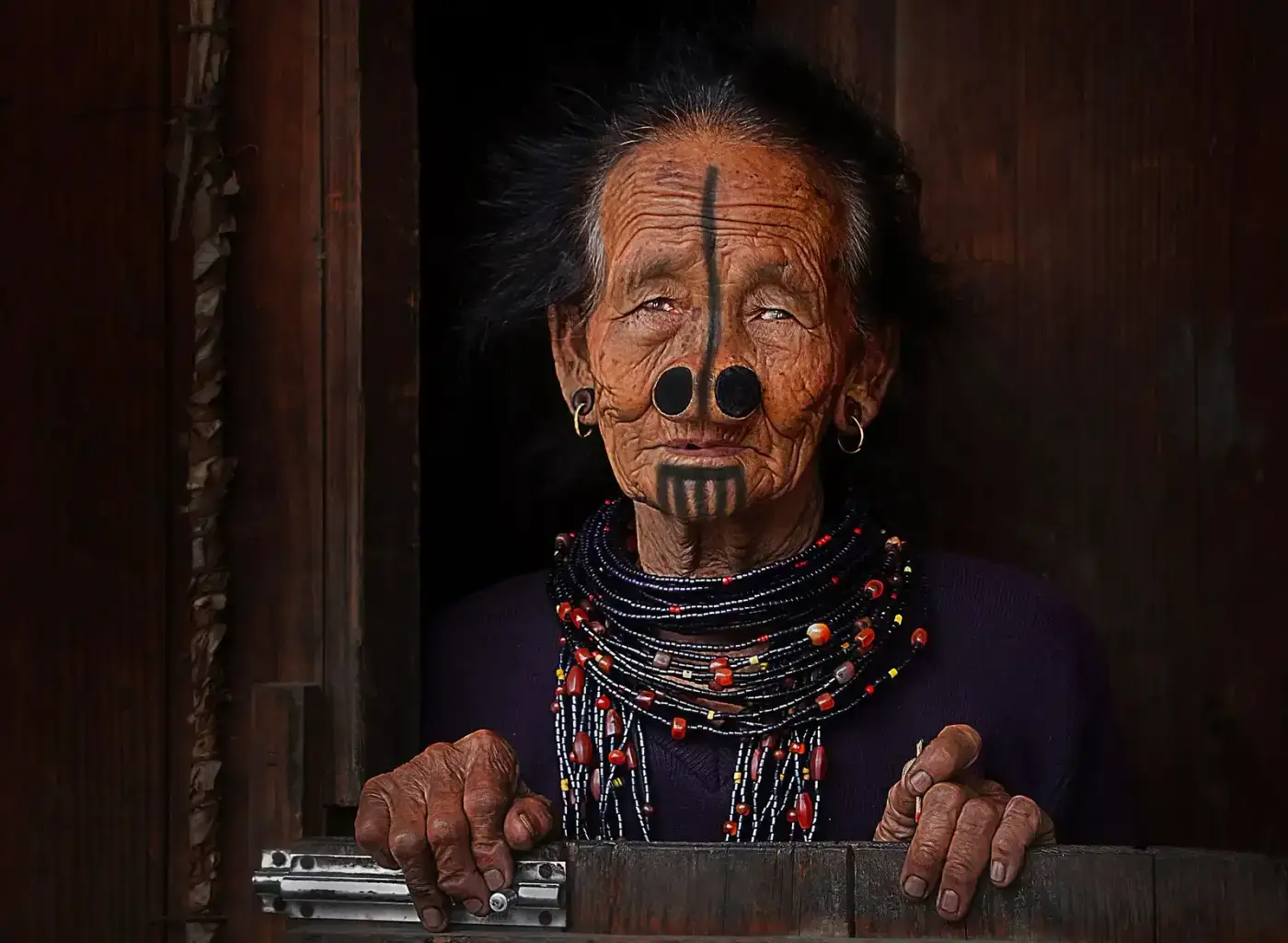
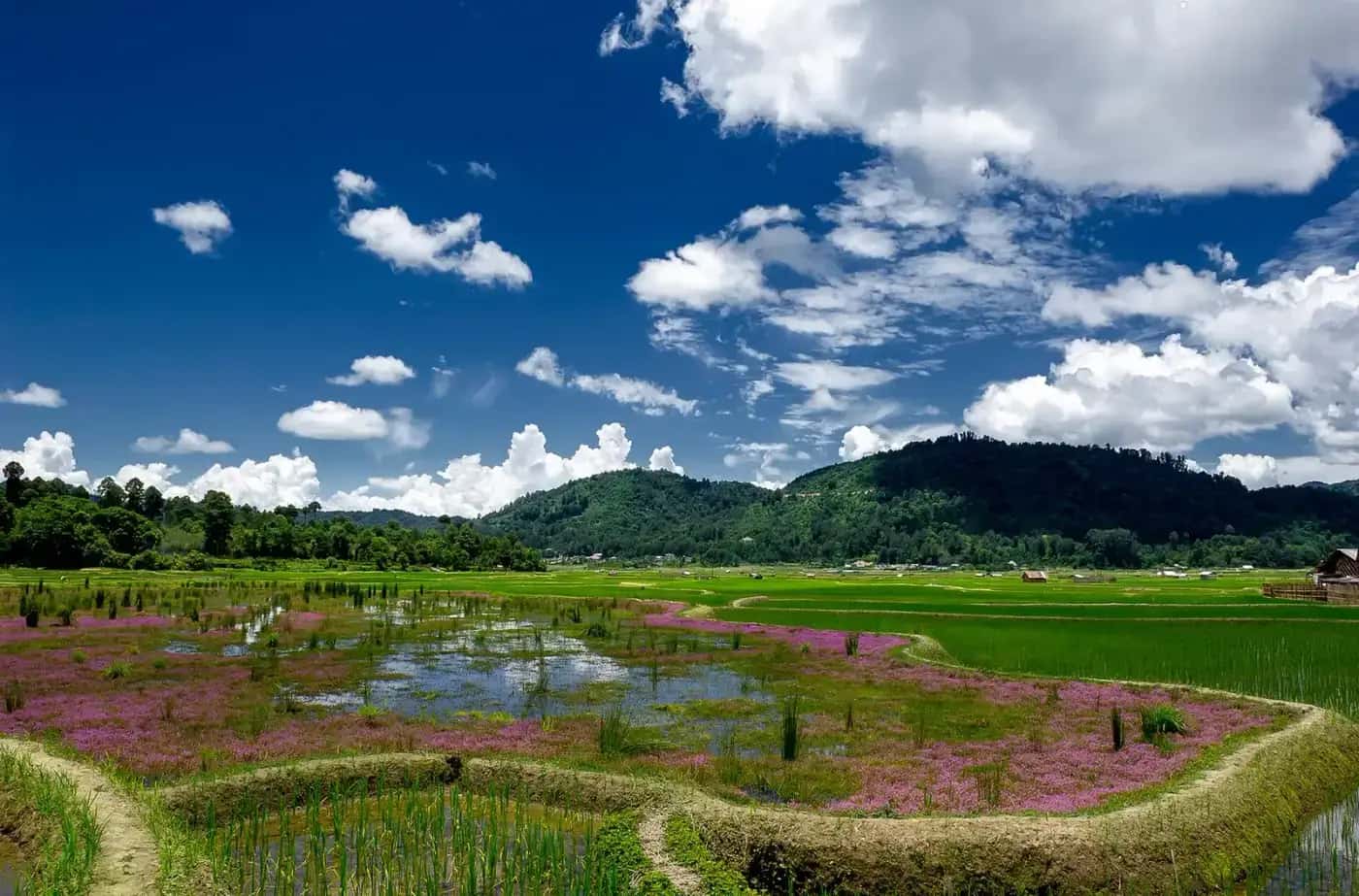
Your guide will explain the Apatani's celebrated farming system: terraced wet-rice fields that also raise fish, fed by an intricate network of channels and managed communally without draught animals or machines. You will also learn about the Donyi-Polo faith, Myoko and Dree festivals, and the facial tattoos and large nose plugs (yaping hurlo) once worn by Apatani women, now seen only among elders as the practice ended decades ago.
Walks often include a visit to a home for rice beer (apong) and local snacks, and a stop at the bamboo groves and pine forests around the valley. Please photograph people only with permission and through your guide.
Where to do it
Tours with this activity
Apatani Village Walk, Ziro FAQs
Why are Apatani rice fields famous?
They combine wet-rice cultivation with fish farming in an efficient, sustainable system managed without draught animals.
Do Apatani women still wear nose plugs?
Only some elderly women; the tradition was discontinued in the 1970s.
Is a guide necessary?
Strongly recommended — a local Apatani guide makes visits respectful and far more informative.
More in Arunachal Pradesh
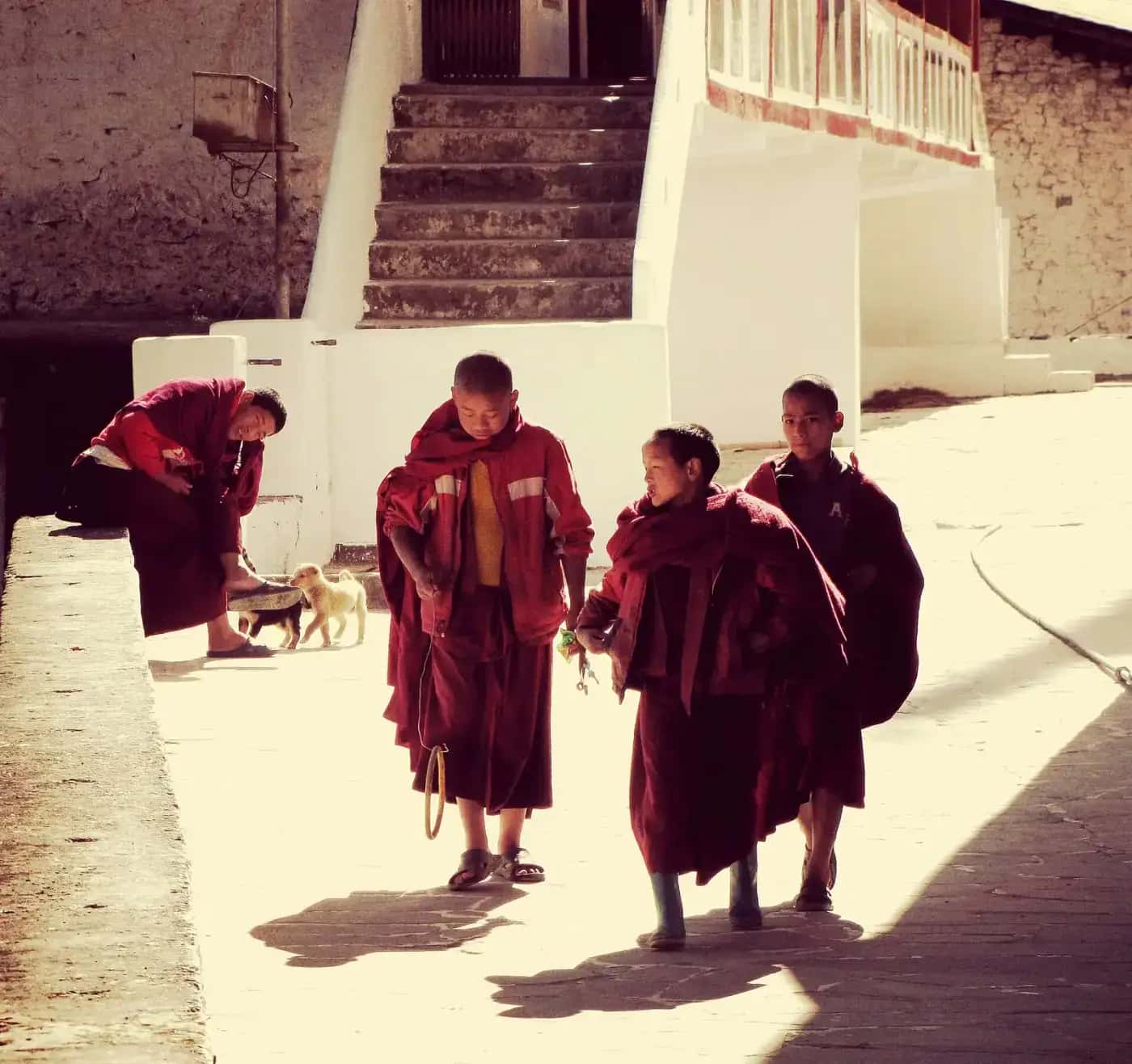 EasyMonastery Visits in Tawang & West KamengJoin morning prayers, explore monastic museums and visit the birthplace of the Sixth Dalai Lama.
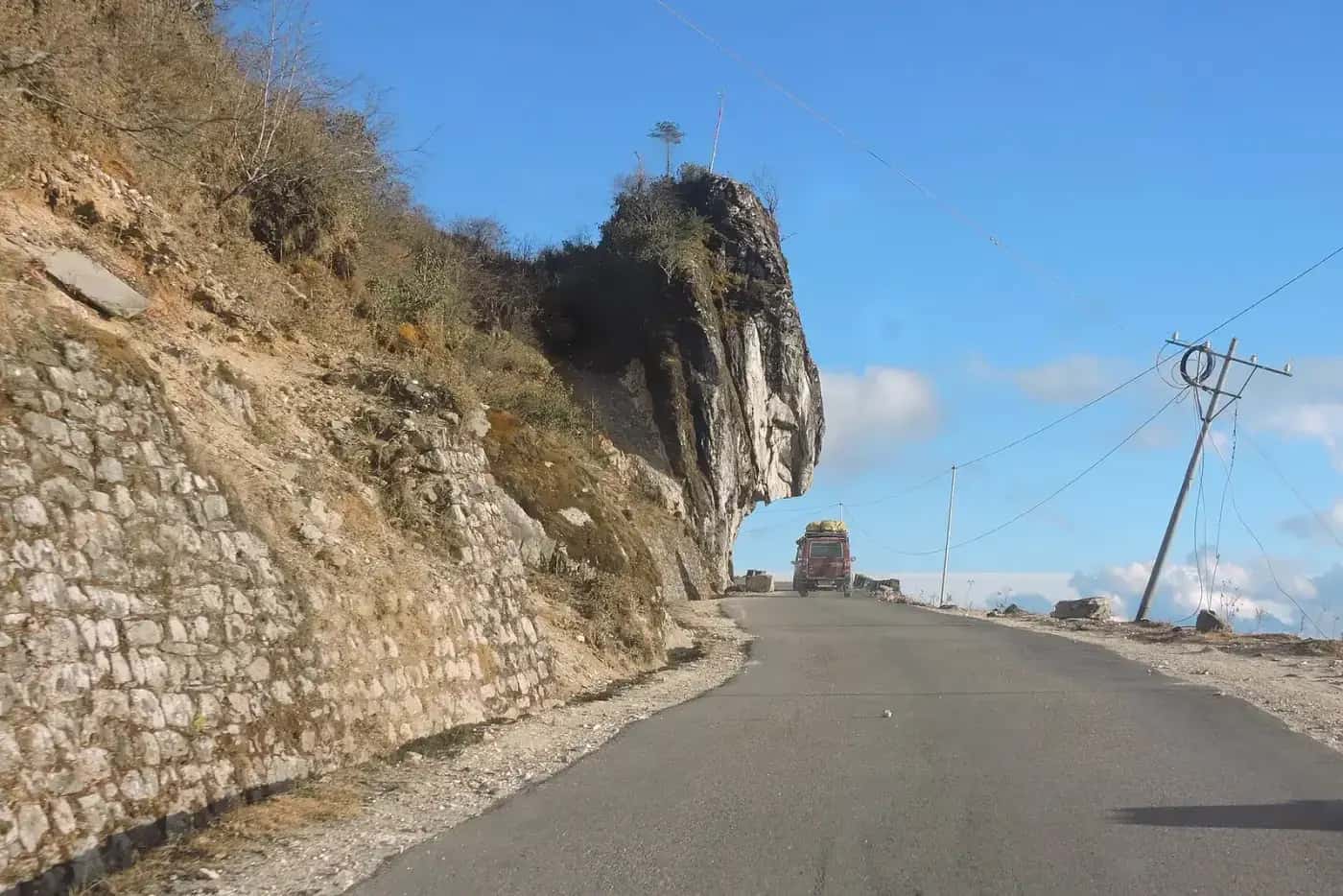 ModerateHigh-Altitude Drives & PassesCross 4,000 m passes, frozen lakes and war memorials on Arunachal's spectacular mountain roads.
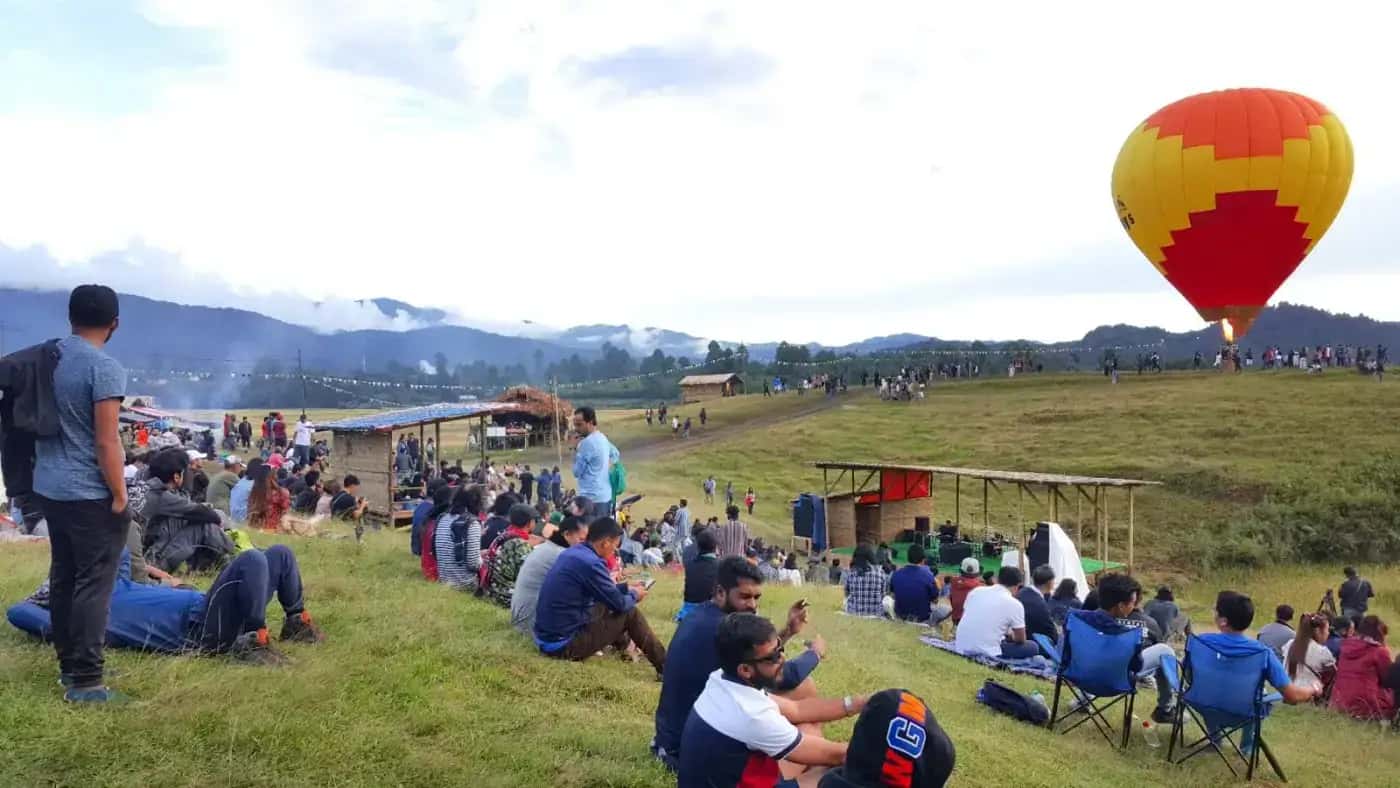 EasyZiro Festival of MusicIndia's most loved outdoor indie music festival, held in Ziro's rice fields every late September.
 ModerateTrekking in Arunachal PradeshDay hikes in Ziro and Mechuka to multi-day treks past high lakes around Tawang.